The Intricate Dance Between Ceremony, Corruption, Religious Power, Art, and Design
Category : | Sub Category : Posted on 2024-11-05 22:25:23
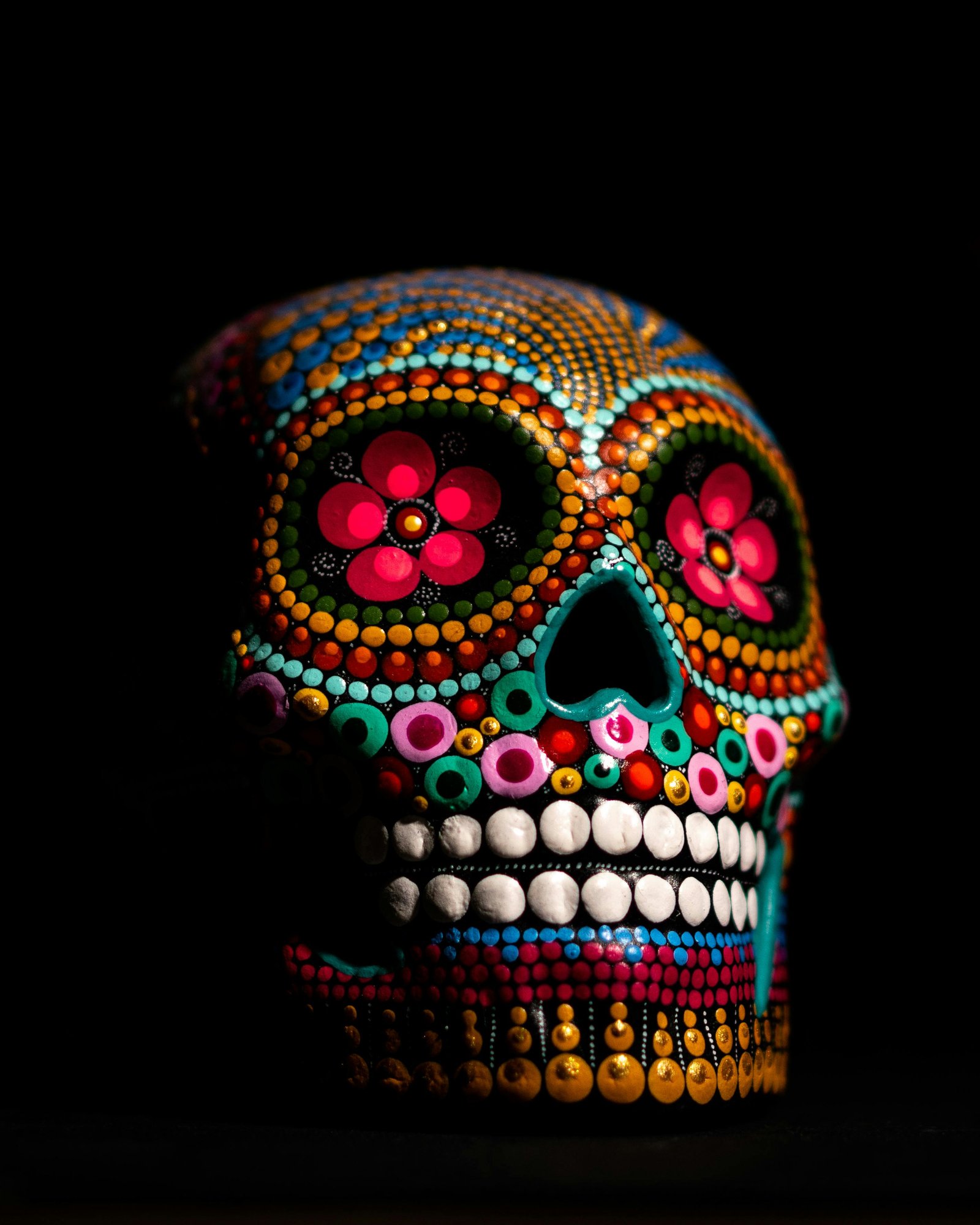
In every society, the intersection of Ceremony, corruption, religious power, art, and design creates a complex and dynamic landscape that often shapes our beliefs, values, and behaviors. These elements are deeply intertwined and can have a profound impact on individuals and communities alike. Let's explore how they influence each other and contribute to the fabric of our societies. Ceremony plays a vital role in human culture and tradition. It serves as a way to mark significant events, transitions, and milestones in our lives. Ceremonies can range from solemn religious rituals to joyous celebrations of art and culture. Through ceremony, we express our deepest beliefs, values, and emotions, reinforcing social bonds and creating a sense of belonging and identity. However, the misuse of power - specifically corruption - can tarnish the sanctity of ceremonial practices. When those in positions of authority exploit their power for personal gain, it undermines the trust and integrity of the ceremonies they oversee. Corruption erodes the foundation of societal norms and values, leading to a breakdown of trust and cohesion within communities. Religious power, on the other hand, holds immense influence over individuals and societies. Religious institutions often shape moral codes, ethical standards, and social norms. Through their teachings and practices, they provide guidance and structure to believers, offering a sense of purpose and meaning in life. At the same time, the concentration of religious power in the hands of a few can lead to abuses of authority and control, further exacerbating corruption and injustice. Art and design also play a crucial role in the fabric of our societies. They serve as mediums of expression, communication, and cultural preservation. Through art, we can explore complex themes, challenge societal norms, and inspire change. Design, on the other hand, shapes our physical environment, influencing how we interact with space, objects, and information. Together, art and design contribute to the richness and diversity of human experience, offering new perspectives and insights into the world around us. When all these elements - ceremony, corruption, religious power, art, and design - come together, they create a dynamic interplay of forces that shape our collective consciousness. They reflect the complexities and contradictions of human nature, highlighting both the beauty and the darkness within us. It is through understanding and navigating these intricate relationships that we can build more just, equitable, and compassionate societies for all. In conclusion, the intersection of ceremony, corruption, religious power, art, and design is a rich tapestry of human experience. By exploring the nuances of these elements and their interconnectedness, we can gain a deeper understanding of ourselves and our world. Let us strive to harness the power of these forces for good, fostering creativity, enlightenment, and social change in the pursuit of a better future for all.
https://sunpowerpanels.com
https://religieuse.org
https://dernier.org
Leave a Comment:
Buscar
Noticias Recientes
- Top 5 Zurich Regional Movies You Must Watch
- Welcome to another movie roundup! Today, we are exploring some award-winning movies that have put Zurich, Switzerland on the cinematic map. From thrilling dramas to heartfelt narratives, these films have captivated audiences worldwide and earned critical acclaim. Join us as we delve into the summaries of these standout movies that have made a mark in the entertainment industry.
- YouTube has become a popular platform for content creators to share their passion and creativity with a global audience. One niche that has gained popularity in recent years is regional movies and their translation for wider reach. This trend has allowed viewers from different linguistic backgrounds to enjoy movies from various regions around the world.
- YouTube has become a popular platform for sharing and discovering a wide range of content, including regional movies. With the rise of digital streaming services, more and more filmmakers are turning to YouTube to showcase their movies to a global audience. Regional movies, which are films produced outside of the mainstream film industry such as Hollywood or Bollywood, have found a niche on YouTube, reaching viewers who may not have access to these movies through traditional channels.
- Award-Winning Movie Summaries: YouTube Channel Overview
- The FIFA World Cup is a prestigious international soccer tournament that captivates the attention of millions of fans around the globe. While the tournament itself showcases the best players from various countries competing for the coveted trophy, there are also many regional movies that have been inspired by the excitement and passion surrounding the World Cup.
- Regional movies can be an excellent source of inspiration and learning, including in the context of work skills development. These movies often offer a unique perspective on various aspects of life and can provide valuable lessons that can be applied to the workplace. Whether you are a fan of Indian cinema, Korean dramas, or French films, there are several ways in which watching regional movies can help you enhance your work skills.
- Award-Winning Movie Summaries for Work Skills Development
READ MORE
9 months ago Category :

Top 5 Zurich Regional Movies You Must Watch
Read More →9 months ago Category :

Welcome to another movie roundup! Today, we are exploring some award-winning movies that have put Zurich, Switzerland on the cinematic map. From thrilling dramas to heartfelt narratives, these films have captivated audiences worldwide and earned critical acclaim. Join us as we delve into the summaries of these standout movies that have made a mark in the entertainment industry.
Read More →9 months ago Category :

YouTube has become a popular platform for content creators to share their passion and creativity with a global audience. One niche that has gained popularity in recent years is regional movies and their translation for wider reach. This trend has allowed viewers from different linguistic backgrounds to enjoy movies from various regions around the world.
Read More →9 months ago Category :
