**Art and Design Promoting Equality and Equity in Myanmar**
Category : | Sub Category : Posted on 2024-11-05 22:25:23
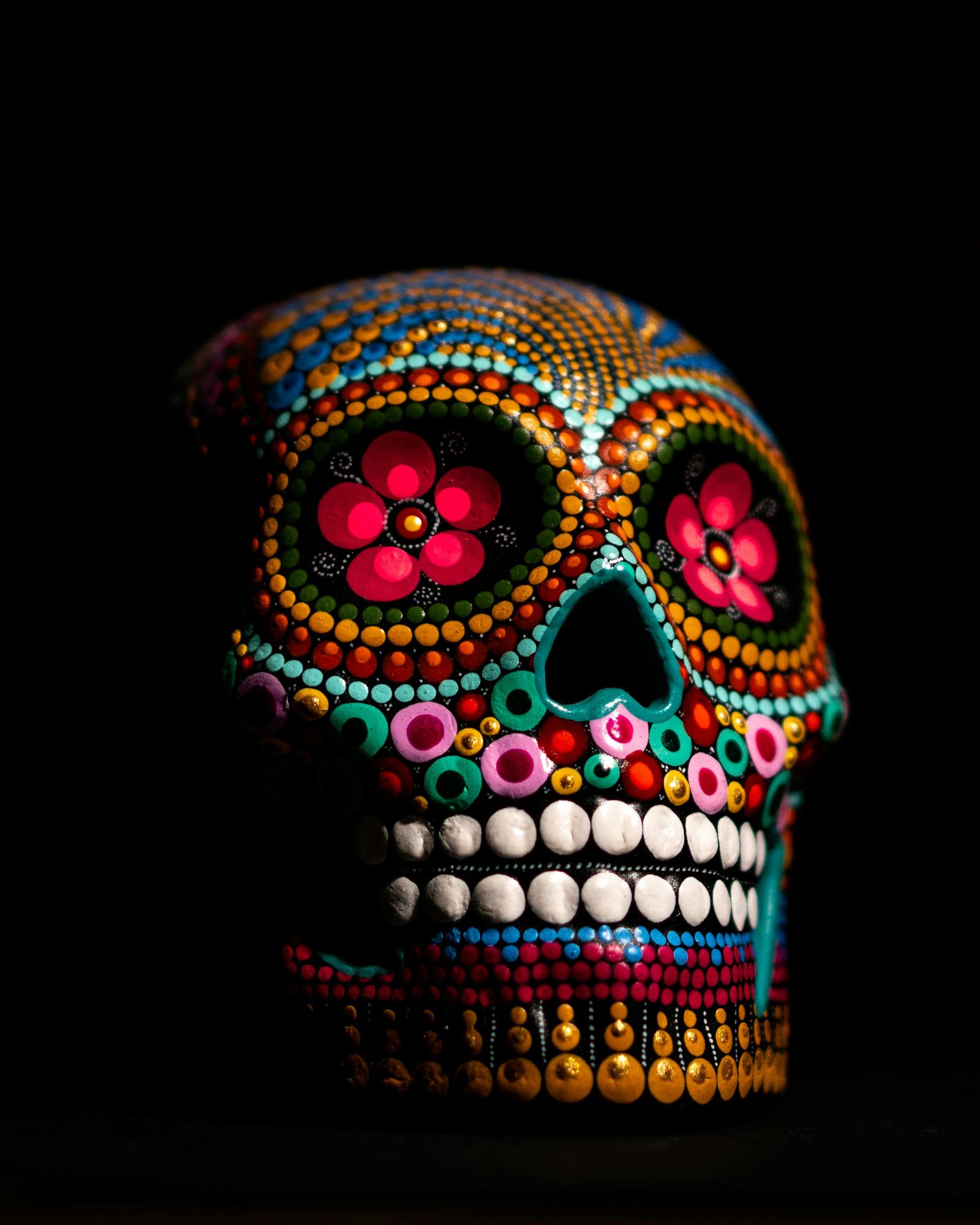
Art and design have always played a crucial role in promoting social change, pushing boundaries, and creating a platform for marginalized voices to be heard. In a country like Myanmar, where issues of equality and equity are prevalent, the art and design community has a unique opportunity to drive meaningful societal transformation. Myanmar, formerly known as Burma, has a rich cultural heritage that spans centuries. Despite this, the country has faced numerous challenges related to human rights violations, political instability, and ethnic conflicts. These issues have significantly impacted communities across the nation, leading to widespread inequality and social injustice. In such a context, artists and designers have been using their creative talents to shed light on these pressing issues and advocate for change. Through various art forms such as paintings, sculptures, installations, and digital art, individuals are highlighting the plight of marginalized groups, bringing attention to human rights violations, and advocating for greater social cohesion. One of the fundamental ways in which art and design can promote equality and equity in Myanmar is by providing a platform for marginalized voices to express themselves. Through creative expression, individuals who have been silenced or overlooked can share their stories, challenge societal norms, and demand justice and equality. Furthermore, art and design can serve as a powerful tool for education and awareness-raising. By showcasing thought-provoking exhibitions, organizing impactful workshops, and engaging with communities through public art projects, artists and designers can spark important conversations about social issues and encourage critical thinking among the general public. In addition to this, art and design can also foster a sense of unity and inclusivity within communities. By creating collaborative art projects that involve individuals from diverse backgrounds, artists can break down barriers, facilitate cross-cultural dialogue, and promote understanding and empathy among different groups. Moreover, the integration of traditional cultural elements into contemporary art and design practices can help preserve and celebrate Myanmar's rich heritage while also addressing present-day social challenges. By blending the old with the new, artists can create unique and impactful works that resonate with audiences both locally and internationally. In conclusion, art and design have the power to be transformative forces for equality and equity in Myanmar. By amplifying marginalized voices, raising awareness, fostering unity, and celebrating cultural heritage, the creative community in Myanmar can contribute significantly to building a more inclusive and just society for all. As individuals engage with and support the work of these artists and designers, they play a vital role in advancing social change and advocating for a brighter, more equitable future for the people of Myanmar.
https://dernier.org
Leave a Comment:
Buscar
Noticias Recientes
- Top 5 Zurich Regional Movies You Must Watch
- Welcome to another movie roundup! Today, we are exploring some award-winning movies that have put Zurich, Switzerland on the cinematic map. From thrilling dramas to heartfelt narratives, these films have captivated audiences worldwide and earned critical acclaim. Join us as we delve into the summaries of these standout movies that have made a mark in the entertainment industry.
- YouTube has become a popular platform for content creators to share their passion and creativity with a global audience. One niche that has gained popularity in recent years is regional movies and their translation for wider reach. This trend has allowed viewers from different linguistic backgrounds to enjoy movies from various regions around the world.
- YouTube has become a popular platform for sharing and discovering a wide range of content, including regional movies. With the rise of digital streaming services, more and more filmmakers are turning to YouTube to showcase their movies to a global audience. Regional movies, which are films produced outside of the mainstream film industry such as Hollywood or Bollywood, have found a niche on YouTube, reaching viewers who may not have access to these movies through traditional channels.
- Award-Winning Movie Summaries: YouTube Channel Overview
- The FIFA World Cup is a prestigious international soccer tournament that captivates the attention of millions of fans around the globe. While the tournament itself showcases the best players from various countries competing for the coveted trophy, there are also many regional movies that have been inspired by the excitement and passion surrounding the World Cup.
- Regional movies can be an excellent source of inspiration and learning, including in the context of work skills development. These movies often offer a unique perspective on various aspects of life and can provide valuable lessons that can be applied to the workplace. Whether you are a fan of Indian cinema, Korean dramas, or French films, there are several ways in which watching regional movies can help you enhance your work skills.
- Award-Winning Movie Summaries for Work Skills Development
READ MORE
9 months ago Category :

Top 5 Zurich Regional Movies You Must Watch
Read More →9 months ago Category :

Welcome to another movie roundup! Today, we are exploring some award-winning movies that have put Zurich, Switzerland on the cinematic map. From thrilling dramas to heartfelt narratives, these films have captivated audiences worldwide and earned critical acclaim. Join us as we delve into the summaries of these standout movies that have made a mark in the entertainment industry.
Read More →9 months ago Category :

YouTube has become a popular platform for content creators to share their passion and creativity with a global audience. One niche that has gained popularity in recent years is regional movies and their translation for wider reach. This trend has allowed viewers from different linguistic backgrounds to enjoy movies from various regions around the world.
Read More →9 months ago Category :
