Exploring the Intersection of Blockchain, Unemployment, and Art & Design
Category : | Sub Category : Posted on 2024-11-05 22:25:23
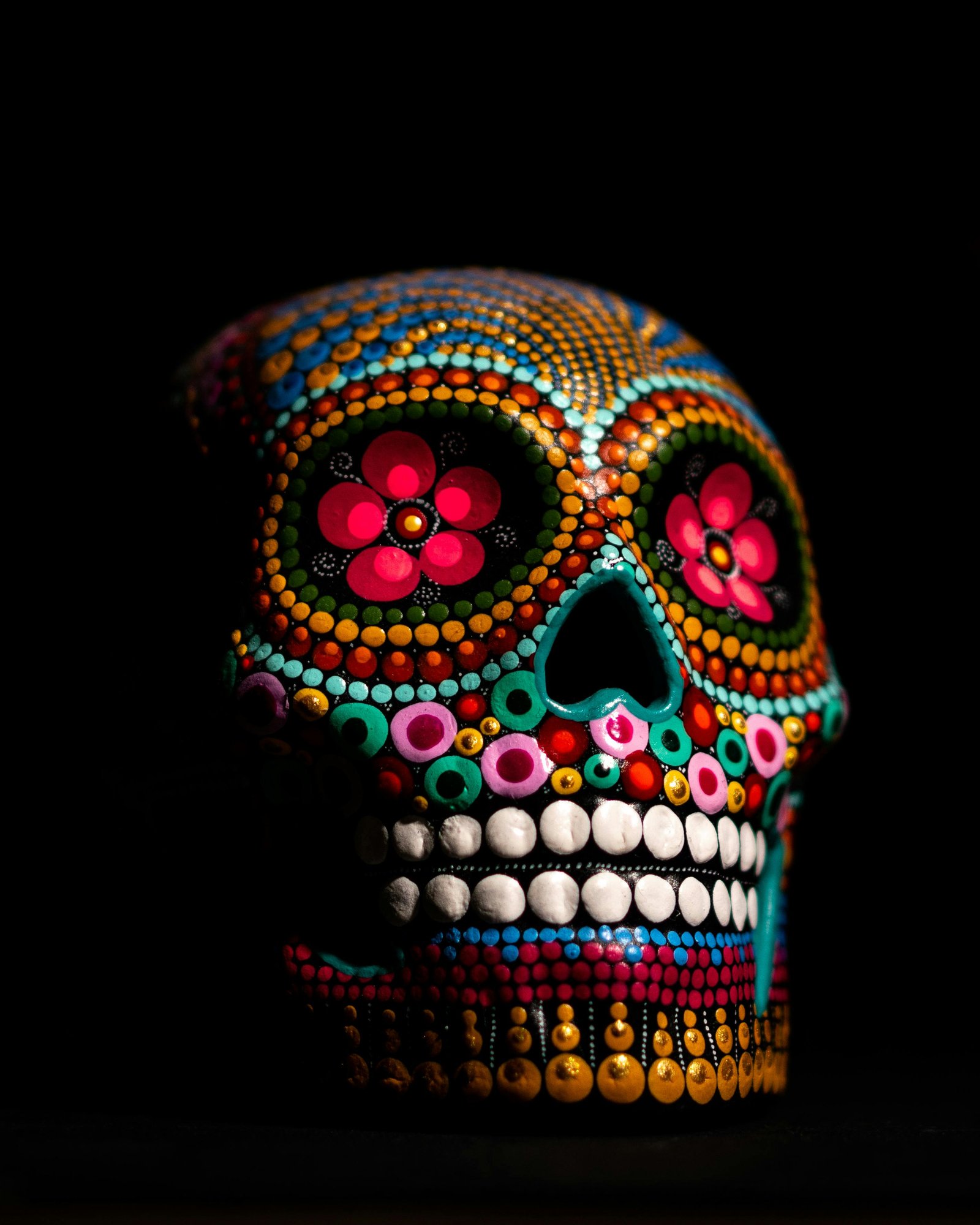
In today's rapidly changing world, the intersection of Blockchain technology, unemployment, and the art & design industry is becoming increasingly relevant. Blockchain technology, known for its decentralized and secure nature, has the potential to revolutionize various industries, including art and design. At the same time, unemployment rates are on the rise globally, posing challenges for individuals seeking stable employment in traditional sectors. One of the key ways in which blockchain technology is impacting the art & design industry is through the concept of digital ownership and provenance. By using blockchain, artists can create digital certificates of authenticity for their artworks, ensuring that they retain control over their intellectual property rights. This not only helps in preventing art forgery and plagiarism but also facilitates transparent and trustworthy transactions within the art market. Moreover, blockchain technology enables the creation of non-fungible tokens (NFTs), which are unique digital assets representing ownership of a particular piece of art or design. NFTs have gained immense popularity in recent years, providing artists with a new way to monetize their work and engage with a global audience. This can potentially open up new avenues for revenue generation for artists, especially at a time when traditional galleries and exhibitions may be limited. However, despite the opportunities presented by blockchain technology in the art & design industry, the issue of unemployment cannot be overlooked. As automation and digitalization continue to reshape the job market, many individuals find themselves displaced from traditional roles and struggling to adapt to the evolving landscape. This is where the creative industries, including art and design, can play a vital role in offering alternative employment opportunities. Artists and designers are known for their innovation, adaptability, and creative thinking – qualities that are increasingly valuable in a digital-first world. By embracing blockchain technology and exploring its applications in their field, artists and designers can not only stay relevant but also contribute to shaping the future of work. Collaborative projects, freelance opportunities, and new forms of digital expression are all possibilities that can help bridge the gap between technological advancements and the human touch in the art & design industry. In conclusion, the intersection of blockchain technology, unemployment, and the art & design industry presents a unique set of challenges and opportunities. By leveraging the power of blockchain for digital ownership, NFTs, and innovative collaborations, artists and designers can navigate the changing landscape of work and continue to thrive in a digital era. As we move forward, it is crucial for stakeholders in these realms to work together to explore new possibilities and create a sustainable future for creativity and innovation.
https://dernier.org
Leave a Comment:
Buscar
Noticias Recientes
- Top 5 Zurich Regional Movies You Must Watch
- Welcome to another movie roundup! Today, we are exploring some award-winning movies that have put Zurich, Switzerland on the cinematic map. From thrilling dramas to heartfelt narratives, these films have captivated audiences worldwide and earned critical acclaim. Join us as we delve into the summaries of these standout movies that have made a mark in the entertainment industry.
- YouTube has become a popular platform for content creators to share their passion and creativity with a global audience. One niche that has gained popularity in recent years is regional movies and their translation for wider reach. This trend has allowed viewers from different linguistic backgrounds to enjoy movies from various regions around the world.
- YouTube has become a popular platform for sharing and discovering a wide range of content, including regional movies. With the rise of digital streaming services, more and more filmmakers are turning to YouTube to showcase their movies to a global audience. Regional movies, which are films produced outside of the mainstream film industry such as Hollywood or Bollywood, have found a niche on YouTube, reaching viewers who may not have access to these movies through traditional channels.
- Award-Winning Movie Summaries: YouTube Channel Overview
- The FIFA World Cup is a prestigious international soccer tournament that captivates the attention of millions of fans around the globe. While the tournament itself showcases the best players from various countries competing for the coveted trophy, there are also many regional movies that have been inspired by the excitement and passion surrounding the World Cup.
- Regional movies can be an excellent source of inspiration and learning, including in the context of work skills development. These movies often offer a unique perspective on various aspects of life and can provide valuable lessons that can be applied to the workplace. Whether you are a fan of Indian cinema, Korean dramas, or French films, there are several ways in which watching regional movies can help you enhance your work skills.
- Award-Winning Movie Summaries for Work Skills Development
READ MORE
9 months ago Category :

Top 5 Zurich Regional Movies You Must Watch
Read More →9 months ago Category :

Welcome to another movie roundup! Today, we are exploring some award-winning movies that have put Zurich, Switzerland on the cinematic map. From thrilling dramas to heartfelt narratives, these films have captivated audiences worldwide and earned critical acclaim. Join us as we delve into the summaries of these standout movies that have made a mark in the entertainment industry.
Read More →9 months ago Category :

YouTube has become a popular platform for content creators to share their passion and creativity with a global audience. One niche that has gained popularity in recent years is regional movies and their translation for wider reach. This trend has allowed viewers from different linguistic backgrounds to enjoy movies from various regions around the world.
Read More →9 months ago Category :
