Exploring the Intersection of Blockchain and Ceremony Art and Design
Category : | Sub Category : Posted on 2024-11-05 22:25:23
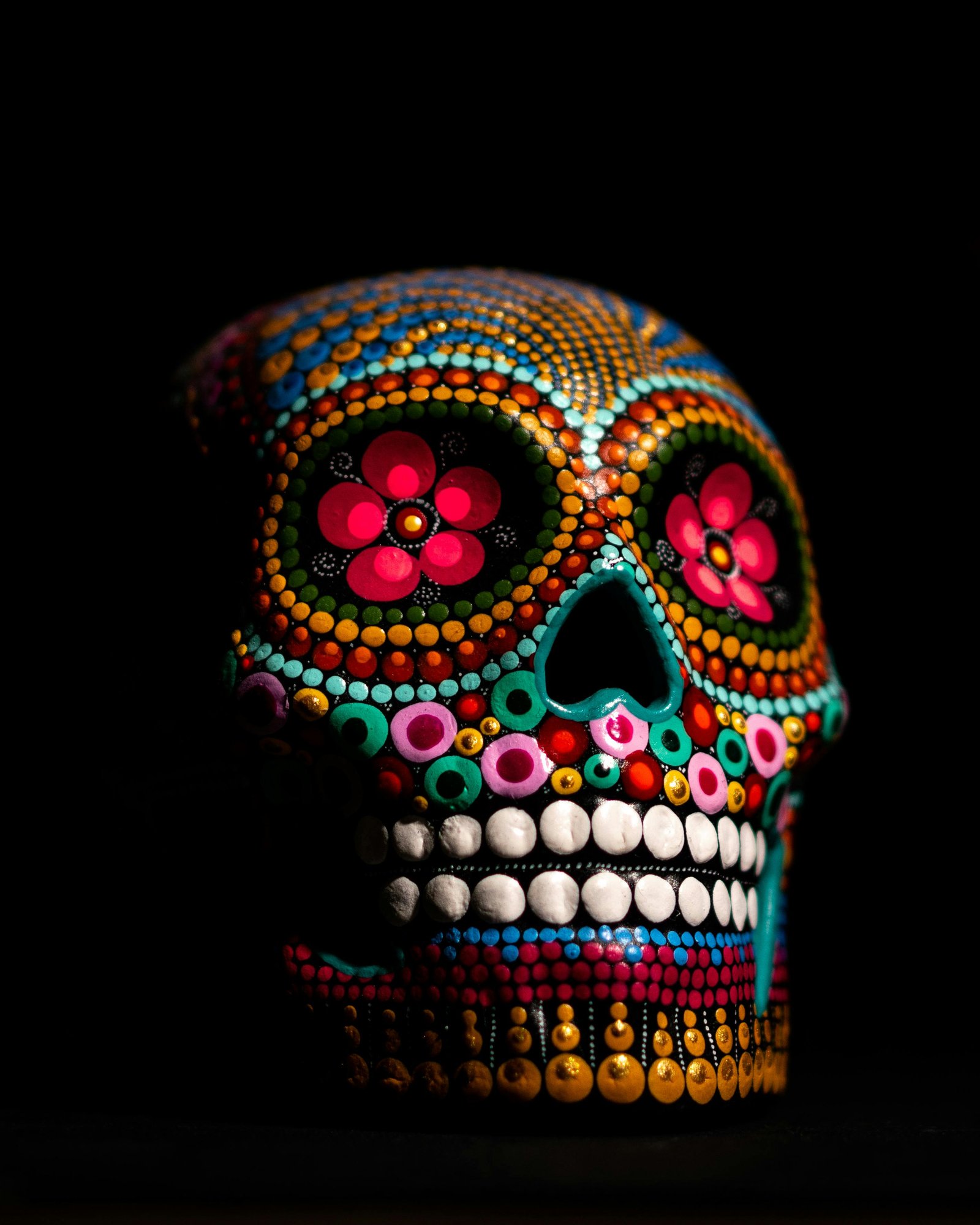
In recent years, the world of blockchain technology has been steadily making its mark in various industries, revolutionizing the way we exchange information, assets, and trust. One fascinating area where blockchain intersects with creative expression is in the realm of ceremony art and design. Ceremony art and design involves creating immersive experiences that celebrate and elevate significant events, achievements, or rituals. These experiences often incorporate elements of visual art, technology, storytelling, and performance to engage and captivate participants. When blockchain technology is integrated into ceremony art and design, it adds a new layer of interactivity, transparency, and decentralization to the creative process. Blockchain's decentralized ledger allows for secure and tamper-proof recording of information, making it an ideal tool for verifying authenticity and ownership in the art world. One of the most intriguing applications of blockchain in ceremony art and design is the concept of non-fungible tokens (NFTs). NFTs are unique digital assets that are stored on the blockchain and represent ownership of a specific piece of art, music, or other creative work. By tokenizing artwork through NFTs, artists can ensure the provenance and authenticity of their creations, while collectors can securely purchase and trade digital art in a transparent marketplace. Furthermore, blockchain technology enables artists to create interactive and decentralized art installations that respond to audience participation or external stimuli. These immersive experiences can be designed to trigger unique visual and auditory effects based on predefined conditions, creating a dynamic and engaging environment for viewers. In addition to enhancing the creative process, blockchain can also play a crucial role in the sustainability of ceremony art and design. By adopting blockchain-based solutions for managing inventory, royalties, and licensing rights, artists can streamline administrative tasks, reduce intermediaries, and ensure fair compensation for their work. As the worlds of blockchain and ceremony art and design continue to merge, we can expect to see innovative collaborations and groundbreaking creations that push the boundaries of artistic expression and technological advancement. By leveraging the power of blockchain, artists and designers have the opportunity to redefine the way we experience and interact with art, ushering in a new era of creativity and connectivity. In conclusion, the fusion of blockchain technology with ceremony art and design opens up a world of possibilities for creating immersive, interactive, and secure experiences that resonate with audiences on a deeper level. By embracing this intersection, artists can revolutionize the way we perceive and engage with art, forging new connections between creativity, technology, and human experience.
https://dernier.org
Leave a Comment:
Buscar
Noticias Recientes
- Top 5 Zurich Regional Movies You Must Watch
- Welcome to another movie roundup! Today, we are exploring some award-winning movies that have put Zurich, Switzerland on the cinematic map. From thrilling dramas to heartfelt narratives, these films have captivated audiences worldwide and earned critical acclaim. Join us as we delve into the summaries of these standout movies that have made a mark in the entertainment industry.
- YouTube has become a popular platform for content creators to share their passion and creativity with a global audience. One niche that has gained popularity in recent years is regional movies and their translation for wider reach. This trend has allowed viewers from different linguistic backgrounds to enjoy movies from various regions around the world.
- YouTube has become a popular platform for sharing and discovering a wide range of content, including regional movies. With the rise of digital streaming services, more and more filmmakers are turning to YouTube to showcase their movies to a global audience. Regional movies, which are films produced outside of the mainstream film industry such as Hollywood or Bollywood, have found a niche on YouTube, reaching viewers who may not have access to these movies through traditional channels.
- Award-Winning Movie Summaries: YouTube Channel Overview
- The FIFA World Cup is a prestigious international soccer tournament that captivates the attention of millions of fans around the globe. While the tournament itself showcases the best players from various countries competing for the coveted trophy, there are also many regional movies that have been inspired by the excitement and passion surrounding the World Cup.
- Regional movies can be an excellent source of inspiration and learning, including in the context of work skills development. These movies often offer a unique perspective on various aspects of life and can provide valuable lessons that can be applied to the workplace. Whether you are a fan of Indian cinema, Korean dramas, or French films, there are several ways in which watching regional movies can help you enhance your work skills.
- Award-Winning Movie Summaries for Work Skills Development
READ MORE
9 months ago Category :

Top 5 Zurich Regional Movies You Must Watch
Read More →9 months ago Category :

Welcome to another movie roundup! Today, we are exploring some award-winning movies that have put Zurich, Switzerland on the cinematic map. From thrilling dramas to heartfelt narratives, these films have captivated audiences worldwide and earned critical acclaim. Join us as we delve into the summaries of these standout movies that have made a mark in the entertainment industry.
Read More →9 months ago Category :

YouTube has become a popular platform for content creators to share their passion and creativity with a global audience. One niche that has gained popularity in recent years is regional movies and their translation for wider reach. This trend has allowed viewers from different linguistic backgrounds to enjoy movies from various regions around the world.
Read More →9 months ago Category :
