Artificial Intelligence (AI) is revolutionizing many industries, and the world of art and design is no exception. The intersection of AI and art has led to exciting developments, sparking creativity, collaboration, and discussion among artists, designers, and technologists. In this essay, we will explore the impact of artificial intelligence on the fields of art and design, looking at how AI is being used both as a tool to enhance creative processes and as a medium for artistic expression.
Category : | Sub Category : Posted on 2024-11-05 22:25:23
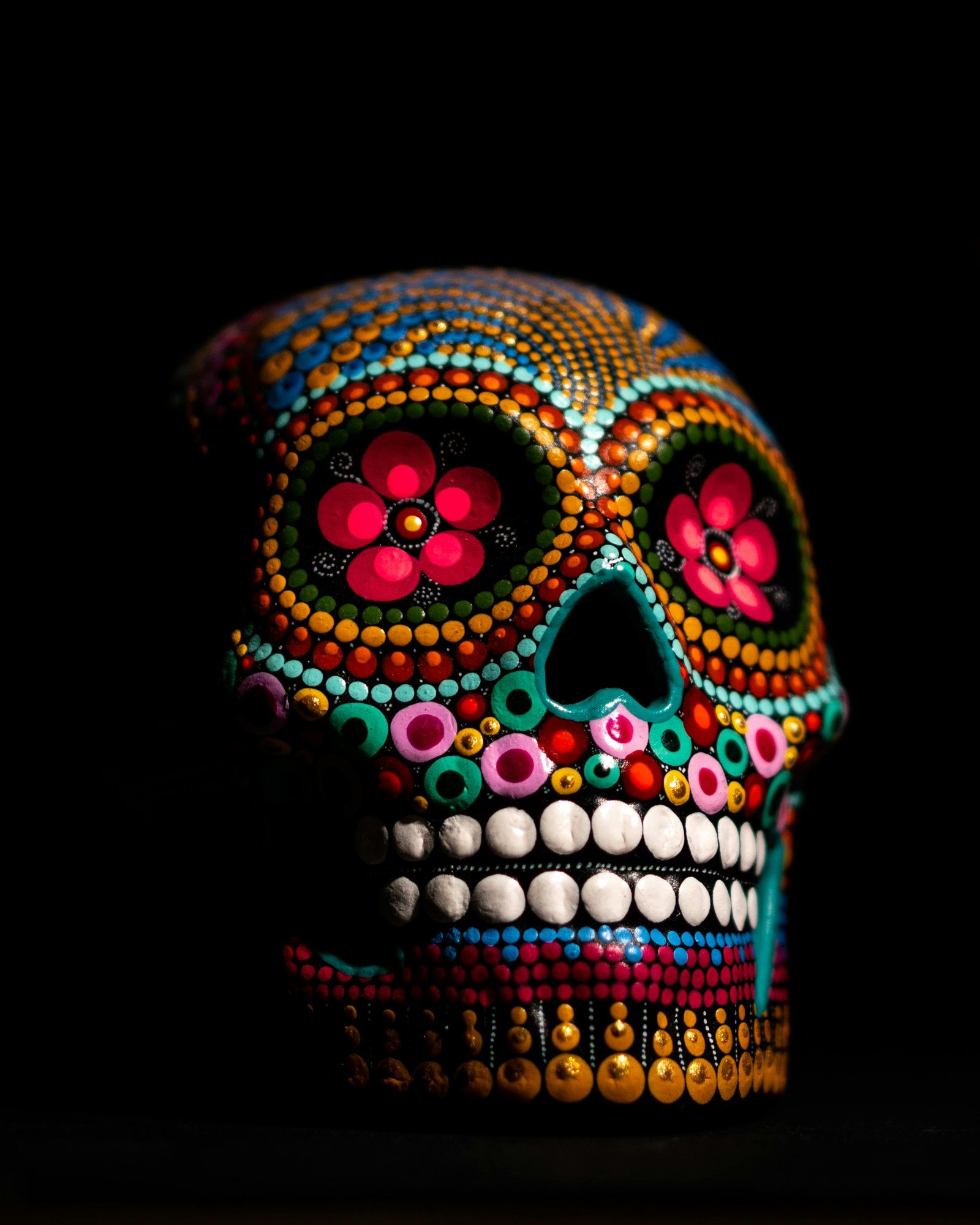
One of the most fascinating aspects of AI in art and design is its ability to generate original artwork. Artists and designers can use AI algorithms to create new visual pieces, music compositions, and even entire narratives. For example, AI-powered tools like DeepDream and Neural Style Transfer can generate unique and abstract images based on input data and artistic styles, pushing the boundaries of traditional art forms. Furthermore, AI is also being used to analyze and interpret existing works of art. Machine learning algorithms can analyze vast collections of art and design data, identifying patterns, trends, and insights that human artists may overlook. This deep analysis can provide valuable insights for artists seeking inspiration or looking to understand the historical context of their work. Moreover, AI is enabling new forms of interactive and dynamic art experiences. Generative adversarial networks (GANs) can create interactive art installations that respond to the viewer's movements and gestures, blurring the lines between the creator and the observer. Virtual and augmented reality technologies add another layer of immersion to AI-driven art experiences, allowing viewers to step into virtual worlds and engage with art in entirely new ways. Despite the exciting possibilities that AI presents for art and design, there are also ethical and philosophical considerations to take into account. Questions about authorship, creativity, and the role of the artist in the age of AI are surfacing as AI-generated art gains prominence. Should AI-generated art be considered as authentic as human-created art? How can artists maintain their creative identity and personal expression when collaborating with AI algorithms? In conclusion, the integration of artificial intelligence in art and design is a dynamic and evolving field that offers endless opportunities for exploration and innovation. By embracing AI as a tool for creativity and self-expression, artists and designers can push the boundaries of traditional art forms, create immersive and interactive experiences, and challenge our perceptions of what constitutes art. As we continue to navigate the ever-changing landscape of AI and its impact on art and design, one thing is certain – the future of creativity looks bright with AI by our side. For more information about this: https://www.ensayo.org Dropy by for a visit at https://www.computacion.org
https://dernier.org
Leave a Comment:
Buscar
Noticias Recientes
- Top 5 Zurich Regional Movies You Must Watch
- Welcome to another movie roundup! Today, we are exploring some award-winning movies that have put Zurich, Switzerland on the cinematic map. From thrilling dramas to heartfelt narratives, these films have captivated audiences worldwide and earned critical acclaim. Join us as we delve into the summaries of these standout movies that have made a mark in the entertainment industry.
- YouTube has become a popular platform for content creators to share their passion and creativity with a global audience. One niche that has gained popularity in recent years is regional movies and their translation for wider reach. This trend has allowed viewers from different linguistic backgrounds to enjoy movies from various regions around the world.
- YouTube has become a popular platform for sharing and discovering a wide range of content, including regional movies. With the rise of digital streaming services, more and more filmmakers are turning to YouTube to showcase their movies to a global audience. Regional movies, which are films produced outside of the mainstream film industry such as Hollywood or Bollywood, have found a niche on YouTube, reaching viewers who may not have access to these movies through traditional channels.
- Award-Winning Movie Summaries: YouTube Channel Overview
- The FIFA World Cup is a prestigious international soccer tournament that captivates the attention of millions of fans around the globe. While the tournament itself showcases the best players from various countries competing for the coveted trophy, there are also many regional movies that have been inspired by the excitement and passion surrounding the World Cup.
- Regional movies can be an excellent source of inspiration and learning, including in the context of work skills development. These movies often offer a unique perspective on various aspects of life and can provide valuable lessons that can be applied to the workplace. Whether you are a fan of Indian cinema, Korean dramas, or French films, there are several ways in which watching regional movies can help you enhance your work skills.
- Award-Winning Movie Summaries for Work Skills Development
READ MORE
9 months ago Category :

Top 5 Zurich Regional Movies You Must Watch
Read More →9 months ago Category :

Welcome to another movie roundup! Today, we are exploring some award-winning movies that have put Zurich, Switzerland on the cinematic map. From thrilling dramas to heartfelt narratives, these films have captivated audiences worldwide and earned critical acclaim. Join us as we delve into the summaries of these standout movies that have made a mark in the entertainment industry.
Read More →9 months ago Category :

YouTube has become a popular platform for content creators to share their passion and creativity with a global audience. One niche that has gained popularity in recent years is regional movies and their translation for wider reach. This trend has allowed viewers from different linguistic backgrounds to enjoy movies from various regions around the world.
Read More →9 months ago Category :
