Navigating Contradictions: Art and Design Education in Cameroon
Category : | Sub Category : Posted on 2024-11-05 22:25:23
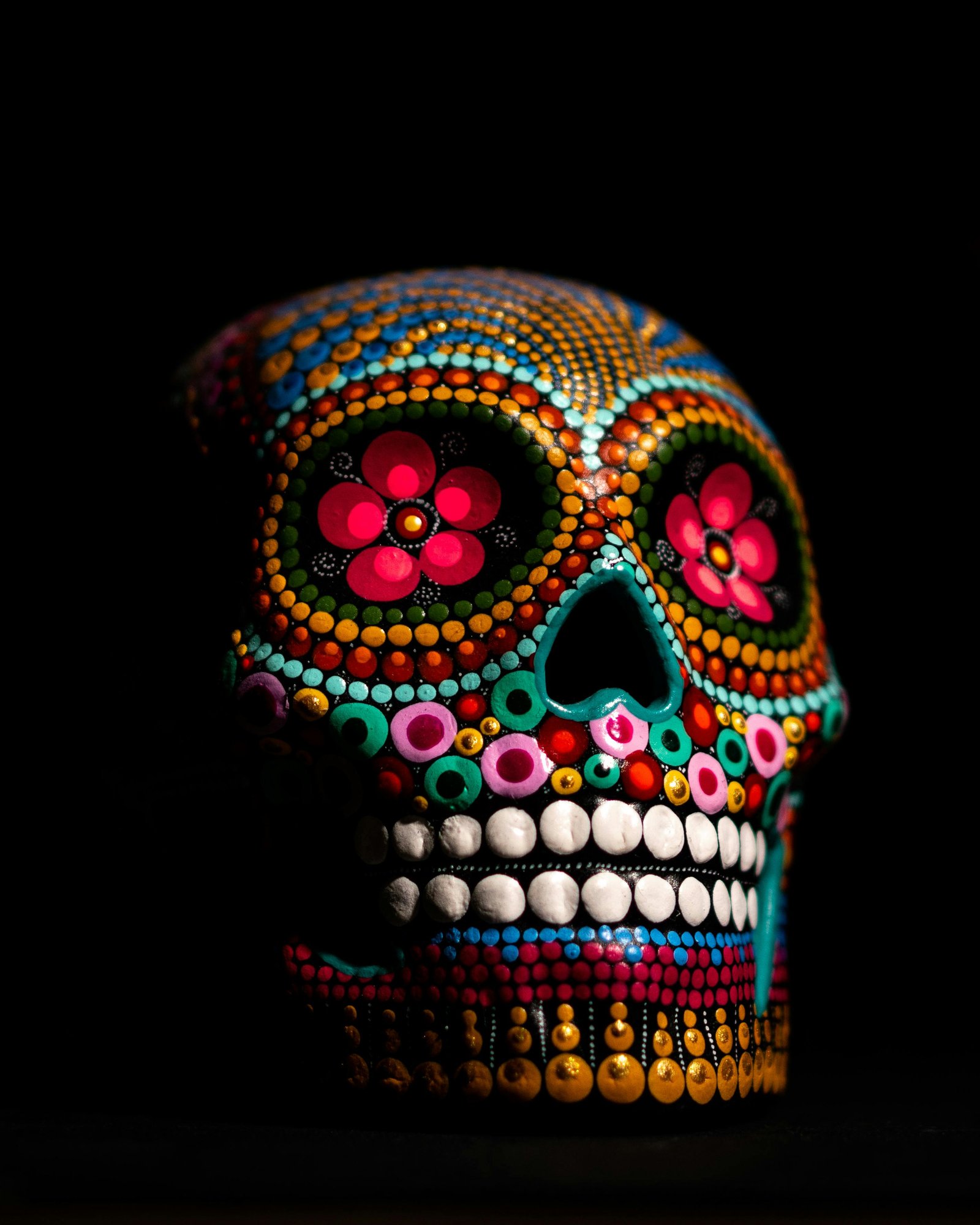
Art and design education in Cameroon presents a fascinating blend of contradictions that require a nuanced understanding to truly appreciate its complexity. On one hand, the rich cultural heritage and artistic traditions of Cameroon provide a fertile ground for creative expression and innovation. On the other hand, challenges such as limited resources, varying levels of access to quality education, and a rapidly changing global landscape pose significant obstacles to the development and sustainability of art and design education in the country. One of the most striking contradictions in the Cameroonian art and design education system is the juxtaposition of traditional and contemporary influences. Cameroon's diverse cultural tapestry is a source of inspiration for artists and designers, who often draw upon traditional motifs, techniques, and materials in their work. However, the rapid pace of globalization and technological advancement has also led to an increasing demand for contemporary skills and competencies that are essential for success in the modern creative industries. Another key contradiction lies in the disparities in access to quality art and design education across different regions of Cameroon. While urban centers such as Douala and Yaoundé boast well-established art schools and creative hubs, rural areas often lack basic infrastructure and resources to support artistic pursuits. This unequal distribution of opportunities not only hinders the personal and professional growth of aspiring artists and designers but also perpetuates social and economic inequalities within the creative community. Despite these challenges, there are initiatives and efforts aimed at bridging the gaps and fostering a more inclusive and dynamic art and design education ecosystem in Cameroon. Cultural institutions, non-profit organizations, and grassroots movements are working tirelessly to promote creativity, diversity, and sustainability in the arts, while also advocating for policy reforms and investments in education and infrastructure. In navigating these contradictions, it is essential for educators, practitioners, policymakers, and the general public to engage in dialogue, collaboration, and co-creation to shape the future of art and design education in Cameroon. By acknowledging and embracing the diversity of perspectives, experiences, and aspirations within the creative community, we can cultivate a more resilient, responsive, and vibrant ecosystem that celebrates the richness and complexity of Cameroonian art and design. In conclusion, the contradictions inherent in art and design education in Cameroon are a reflection of the dynamic interplay between tradition and innovation, scarcity and abundance, challenge, and opportunity. By confronting these contradictions with creativity, resilience, and empathy, we can unlock the full potential of the Cameroonian creative spirit and contribute to a more inclusive, equitable, and sustainable future for the arts in Cameroon and beyond.
https://dernier.org
Leave a Comment:
Buscar
Noticias Recientes
- Top 5 Zurich Regional Movies You Must Watch
- Welcome to another movie roundup! Today, we are exploring some award-winning movies that have put Zurich, Switzerland on the cinematic map. From thrilling dramas to heartfelt narratives, these films have captivated audiences worldwide and earned critical acclaim. Join us as we delve into the summaries of these standout movies that have made a mark in the entertainment industry.
- YouTube has become a popular platform for content creators to share their passion and creativity with a global audience. One niche that has gained popularity in recent years is regional movies and their translation for wider reach. This trend has allowed viewers from different linguistic backgrounds to enjoy movies from various regions around the world.
- YouTube has become a popular platform for sharing and discovering a wide range of content, including regional movies. With the rise of digital streaming services, more and more filmmakers are turning to YouTube to showcase their movies to a global audience. Regional movies, which are films produced outside of the mainstream film industry such as Hollywood or Bollywood, have found a niche on YouTube, reaching viewers who may not have access to these movies through traditional channels.
- Award-Winning Movie Summaries: YouTube Channel Overview
- The FIFA World Cup is a prestigious international soccer tournament that captivates the attention of millions of fans around the globe. While the tournament itself showcases the best players from various countries competing for the coveted trophy, there are also many regional movies that have been inspired by the excitement and passion surrounding the World Cup.
- Regional movies can be an excellent source of inspiration and learning, including in the context of work skills development. These movies often offer a unique perspective on various aspects of life and can provide valuable lessons that can be applied to the workplace. Whether you are a fan of Indian cinema, Korean dramas, or French films, there are several ways in which watching regional movies can help you enhance your work skills.
- Award-Winning Movie Summaries for Work Skills Development
READ MORE
11 months ago Category :

Top 5 Zurich Regional Movies You Must Watch
Read More →11 months ago Category :

Welcome to another movie roundup! Today, we are exploring some award-winning movies that have put Zurich, Switzerland on the cinematic map. From thrilling dramas to heartfelt narratives, these films have captivated audiences worldwide and earned critical acclaim. Join us as we delve into the summaries of these standout movies that have made a mark in the entertainment industry.
Read More →11 months ago Category :

YouTube has become a popular platform for content creators to share their passion and creativity with a global audience. One niche that has gained popularity in recent years is regional movies and their translation for wider reach. This trend has allowed viewers from different linguistic backgrounds to enjoy movies from various regions around the world.
Read More →11 months ago Category :
