Art and Design in Bangladesh: Exploring Contradictions
Category : | Sub Category : Posted on 2024-11-05 22:25:23
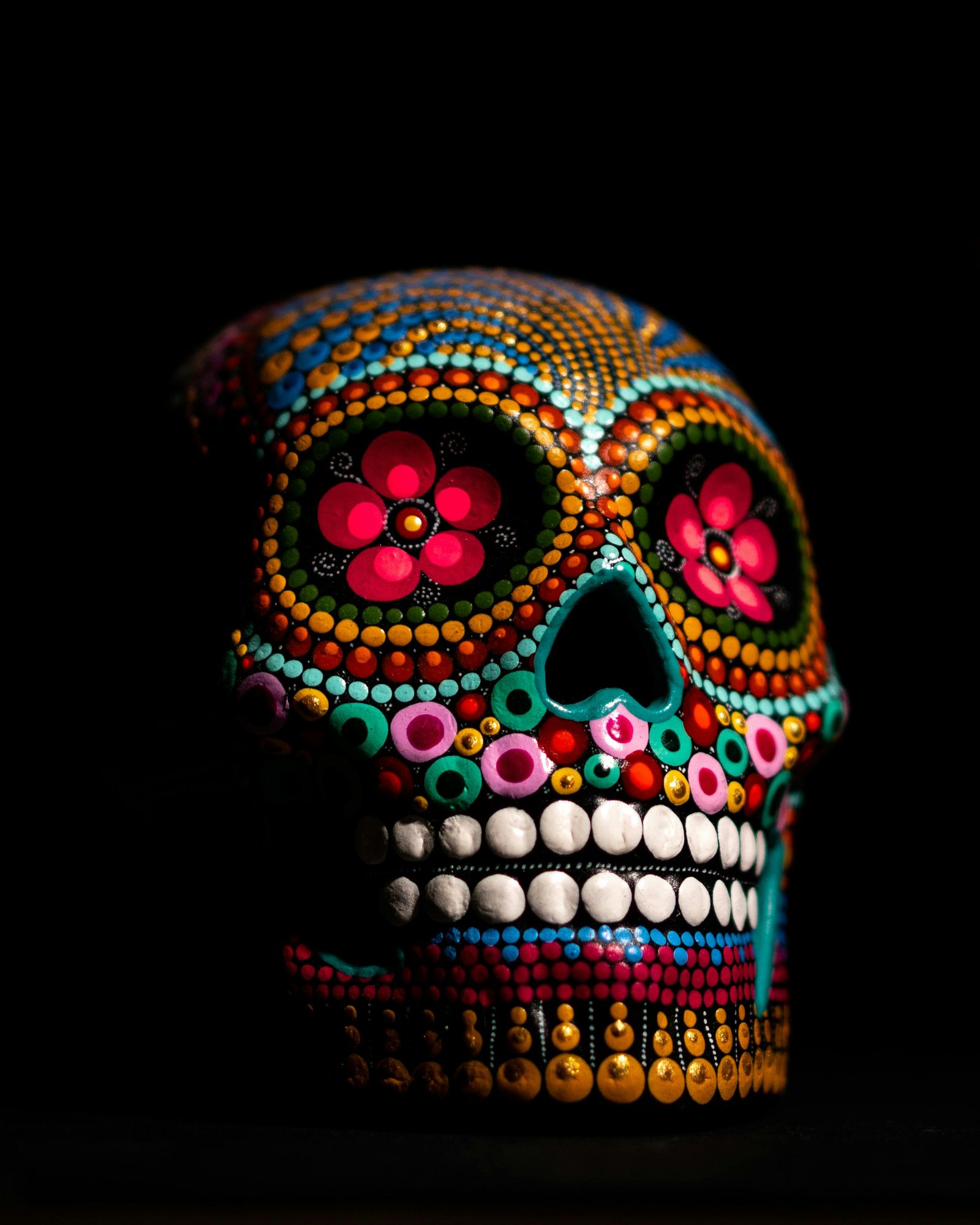
Bangladesh, a country known for its rich cultural heritage and vibrant artistic expressions, is a land of contradictions when it comes to art and design. The intersection of tradition and modernity, heritage and innovation, poverty and creativity creates a dynamic landscape that fuels the artistic scene in Bangladesh. One of the main contradictions in the art and design scene in Bangladesh is the juxtaposition of traditional and contemporary aesthetics. On one hand, Bangladesh has a long history of traditional art forms such as Nakshi Kantha (traditional embroidered quilt) and Patachitra (traditional scroll painting). These art forms are deeply rooted in the country's culture and history, and continue to inspire contemporary artists and designers. On the other hand, there is a growing contemporary art scene in Bangladesh that pushes boundaries and challenges conventions. Artists are experimenting with new mediums, techniques, and ideas, blending traditional influences with modern concepts to create unique and innovative works of art. Another contradiction in the art and design scene in Bangladesh is the contrast between the flourishing creative community and the harsh realities of poverty and social inequality. While Bangladesh is home to a vibrant artistic community with talented artists, designers, and craftspeople, many struggle to make ends meet due to lack of resources, opportunities, and recognition. This contrast is evident in the stark disparity between the exquisite artworks produced by Bangladeshi artists and the challenging socio-economic conditions they face on a daily basis. Despite these challenges, many artists in Bangladesh continue to create breathtaking artworks that reflect their resilience, creativity, and passion for their craft. Furthermore, the rapid urbanization and globalization in Bangladesh have also contributed to contradictions in the art and design scene. On one hand, urban centers like Dhaka and Chittagong are hubs of creativity and innovation, attracting artists, designers, and art enthusiasts from around the world. These cities are home to art galleries, design studios, and cultural institutions that showcase the best of Bangladeshi art and design. On the other hand, rapid urbanization and commercialization have also led to the loss of traditional art and design practices, as well as the homogenization of aesthetic preferences. This tension between preserving heritage and embracing progress poses a challenge for artists and designers in Bangladesh as they navigate between tradition and modernity in their creative pursuits. In conclusion, the art and design scene in Bangladesh is a tapestry of contradictions that reflect the complexities and challenges of a dynamic and evolving society. From the blending of traditional and contemporary aesthetics to the struggle for recognition amidst poverty and inequality, Bangladeshi artists and designers continue to push boundaries, defy expectations, and create art that is as diverse and vibrant as the country itself. Despite the contradictions that exist, the art and design scene in Bangladesh remains a source of inspiration, creativity, and resilience for artists and art enthusiasts alike.
https://dernier.org
Leave a Comment:
Buscar
Noticias Recientes
- Top 5 Zurich Regional Movies You Must Watch
- Welcome to another movie roundup! Today, we are exploring some award-winning movies that have put Zurich, Switzerland on the cinematic map. From thrilling dramas to heartfelt narratives, these films have captivated audiences worldwide and earned critical acclaim. Join us as we delve into the summaries of these standout movies that have made a mark in the entertainment industry.
- YouTube has become a popular platform for content creators to share their passion and creativity with a global audience. One niche that has gained popularity in recent years is regional movies and their translation for wider reach. This trend has allowed viewers from different linguistic backgrounds to enjoy movies from various regions around the world.
- YouTube has become a popular platform for sharing and discovering a wide range of content, including regional movies. With the rise of digital streaming services, more and more filmmakers are turning to YouTube to showcase their movies to a global audience. Regional movies, which are films produced outside of the mainstream film industry such as Hollywood or Bollywood, have found a niche on YouTube, reaching viewers who may not have access to these movies through traditional channels.
- Award-Winning Movie Summaries: YouTube Channel Overview
- The FIFA World Cup is a prestigious international soccer tournament that captivates the attention of millions of fans around the globe. While the tournament itself showcases the best players from various countries competing for the coveted trophy, there are also many regional movies that have been inspired by the excitement and passion surrounding the World Cup.
- Regional movies can be an excellent source of inspiration and learning, including in the context of work skills development. These movies often offer a unique perspective on various aspects of life and can provide valuable lessons that can be applied to the workplace. Whether you are a fan of Indian cinema, Korean dramas, or French films, there are several ways in which watching regional movies can help you enhance your work skills.
- Award-Winning Movie Summaries for Work Skills Development
READ MORE
11 months ago Category :

Top 5 Zurich Regional Movies You Must Watch
Read More →11 months ago Category :

Welcome to another movie roundup! Today, we are exploring some award-winning movies that have put Zurich, Switzerland on the cinematic map. From thrilling dramas to heartfelt narratives, these films have captivated audiences worldwide and earned critical acclaim. Join us as we delve into the summaries of these standout movies that have made a mark in the entertainment industry.
Read More →11 months ago Category :

YouTube has become a popular platform for content creators to share their passion and creativity with a global audience. One niche that has gained popularity in recent years is regional movies and their translation for wider reach. This trend has allowed viewers from different linguistic backgrounds to enjoy movies from various regions around the world.
Read More →11 months ago Category :
