The Intersection of Advocacy, Corruption, Religious Power, and Art & Design
Category : | Sub Category : Posted on 2024-11-05 22:25:23
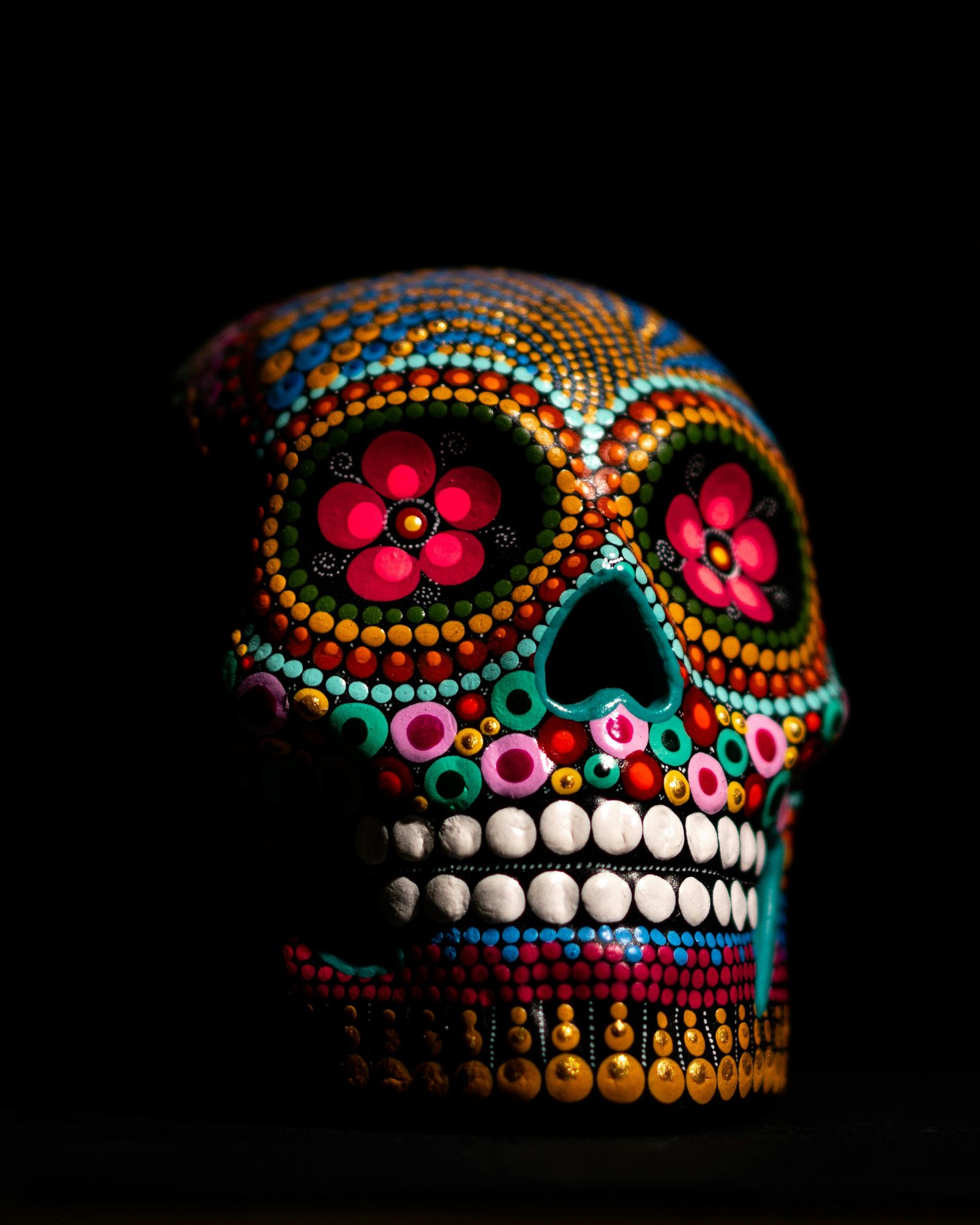
In today's complex world, the intersection of advocacy, corruption, religious power, and art & design is a topic that sparks conversation and debate. These factors play significant roles in shaping society, influencing people's perspectives, and driving change. Let's delve into how these diverse elements interact and impact each other. Advocacy is the voice of change, with individuals and organizations advocating for various causes such as human rights, environmental protection, social justice, and more. Advocates raise awareness, mobilize communities, and push for policy reforms to create a better world. However, corruption can hinder these efforts, as vested interests manipulate systems for personal gain, eroding trust and justice. The fight against corruption requires transparent governance, accountability, and collective action to ensure that advocacy efforts are not derailed. Religious power has historically played a crucial role in shaping societies and cultures. Religious institutions have the power to influence beliefs, values, and behaviors on a large scale. While religion can be a force for good, promoting compassion, charity, and unity, it can also be misused to justify oppression, discrimination, and violence. It is essential to separate spirituality from exploitation and uphold the principles of tolerance, respect, and freedom of belief. Art & design are powerful tools for expression and communication, reflecting the beauty, complexity, and diversity of human experiences. Artists and designers have the ability to provoke thought, evoke emotions, and challenge norms through their creations. Art can be a form of advocacy, shedding light on social issues, inspiring change, and fostering empathy. By integrating art and design into advocacy campaigns, activists can amplify their messages and engage audiences in meaningful ways. When advocacy, corruption, religious power, and art & design intersect, complex dynamics emerge. Artists may use their platform to advocate for social justice, exposing corruption and challenging religious authority. Advocates may collaborate with religious leaders to promote ethical values and combat systemic corruption. Designers may create visual campaigns that raise awareness about advocacy efforts and drive social change. As we navigate the interconnected landscape of advocacy, corruption, religious power, and art & design, it is essential to foster dialogue, critical thinking, and collaboration. By recognizing the influence of these factors and their interplay, we can work towards a more just, transparent, and inclusive society. Let us harness the power of advocacy, uphold integrity in the face of corruption, respect the diversity of religious beliefs, and celebrate the transformative potential of art & design in creating a better world for all.
https://sunpowerpanels.com
https://religieuse.org
https://dernier.org
Leave a Comment:
Buscar
Noticias Recientes
- Top 5 Zurich Regional Movies You Must Watch
- Welcome to another movie roundup! Today, we are exploring some award-winning movies that have put Zurich, Switzerland on the cinematic map. From thrilling dramas to heartfelt narratives, these films have captivated audiences worldwide and earned critical acclaim. Join us as we delve into the summaries of these standout movies that have made a mark in the entertainment industry.
- YouTube has become a popular platform for content creators to share their passion and creativity with a global audience. One niche that has gained popularity in recent years is regional movies and their translation for wider reach. This trend has allowed viewers from different linguistic backgrounds to enjoy movies from various regions around the world.
- YouTube has become a popular platform for sharing and discovering a wide range of content, including regional movies. With the rise of digital streaming services, more and more filmmakers are turning to YouTube to showcase their movies to a global audience. Regional movies, which are films produced outside of the mainstream film industry such as Hollywood or Bollywood, have found a niche on YouTube, reaching viewers who may not have access to these movies through traditional channels.
- Award-Winning Movie Summaries: YouTube Channel Overview
- The FIFA World Cup is a prestigious international soccer tournament that captivates the attention of millions of fans around the globe. While the tournament itself showcases the best players from various countries competing for the coveted trophy, there are also many regional movies that have been inspired by the excitement and passion surrounding the World Cup.
- Regional movies can be an excellent source of inspiration and learning, including in the context of work skills development. These movies often offer a unique perspective on various aspects of life and can provide valuable lessons that can be applied to the workplace. Whether you are a fan of Indian cinema, Korean dramas, or French films, there are several ways in which watching regional movies can help you enhance your work skills.
- Award-Winning Movie Summaries for Work Skills Development
READ MORE
10 months ago Category :

Top 5 Zurich Regional Movies You Must Watch
Read More →10 months ago Category :

Welcome to another movie roundup! Today, we are exploring some award-winning movies that have put Zurich, Switzerland on the cinematic map. From thrilling dramas to heartfelt narratives, these films have captivated audiences worldwide and earned critical acclaim. Join us as we delve into the summaries of these standout movies that have made a mark in the entertainment industry.
Read More →10 months ago Category :

YouTube has become a popular platform for content creators to share their passion and creativity with a global audience. One niche that has gained popularity in recent years is regional movies and their translation for wider reach. This trend has allowed viewers from different linguistic backgrounds to enjoy movies from various regions around the world.
Read More →10 months ago Category :
